
GSF Parts Integration Software That Saves Time
A technician has a ramp occupied, a customer is expecting their vehicle back that afternoon, and the service advisor is still switching between systems to price a routine part. That is where our GSF parts integration earns its place. It brings parts ordering closer to the workshop job, reducing repeated keying, avoidable delays and the uncertainty that can turn a profitable booking into a difficult conversation.
For busy UK garages, service centres and dealerships, parts are not simply a purchasing task. They affect labour efficiency, customer communication, invoicing accuracy and the number of jobs a workshop can complete in a day. The right connection between your dealer management system and parts supplier can make that process quicker and more controlled without asking the team to change the way they work overnight.
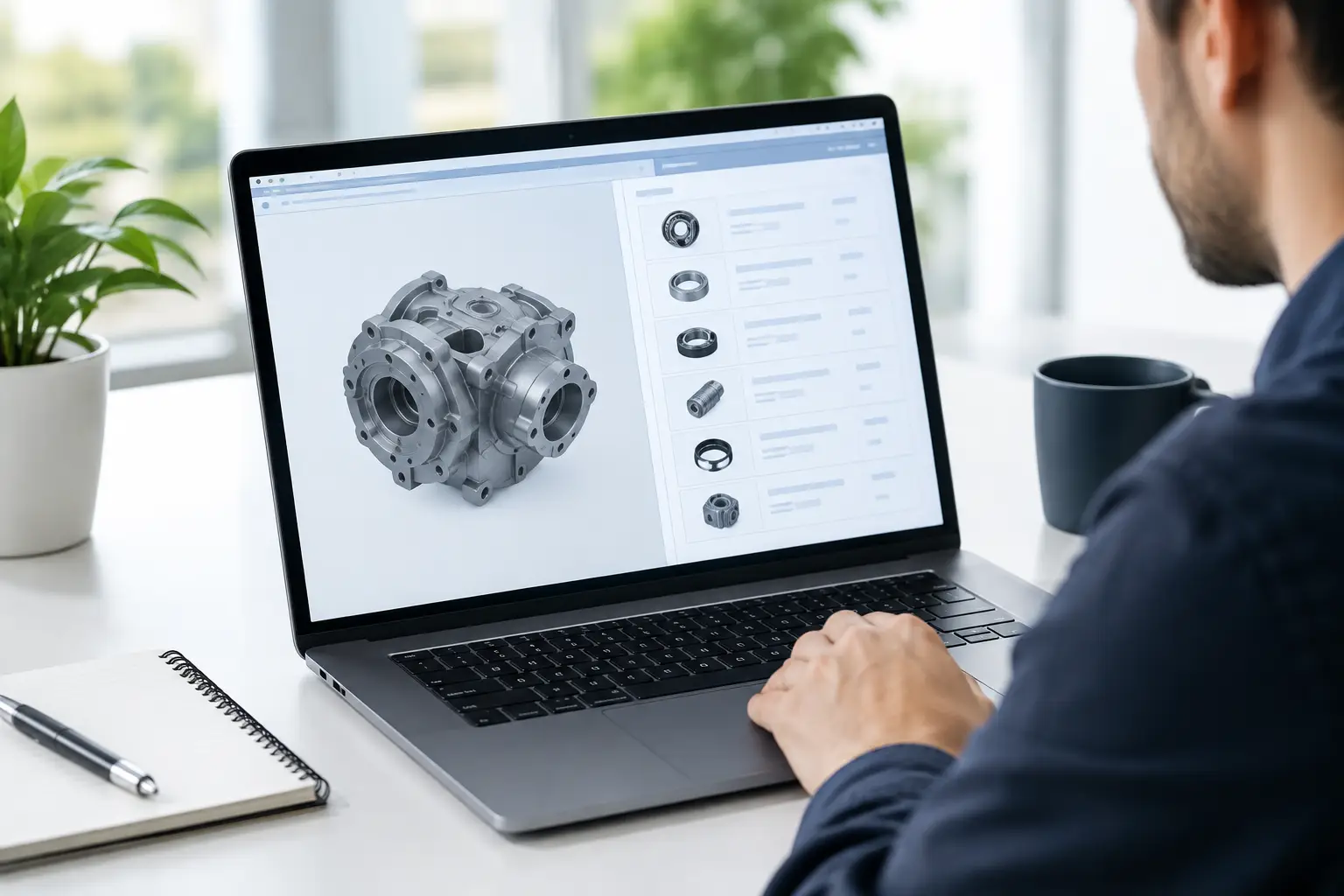
Why parts ordering can hold back workshop profit
Most aftersales teams know the pattern. A service advisor identifies the work required, then calls a supplier or opens a separate ordering portal. Part numbers, vehicle details and prices may be copied between screens. Once the order is placed, the advisor needs to update the job card, tell the technician and, often, revise the customer estimate.
Each individual step may only take a few minutes. Across multiple ramps, technicians and bookings, those minutes build into lost productive time. They also create opportunities for the wrong part, an outdated price or a missed item to reach the invoice.
The commercial impact is wider than administration. If an advisor cannot give a confident price or lead time, authorisation can be delayed. If a vehicle stays on a ramp while someone chases availability, the workshop loses capacity. If costs are entered incorrectly, the margin on a job can quietly disappear.
Connected technology helps remove friction from that chain. It does not replace the judgement of an experienced parts or service team. It gives them clearer information and fewer screens to manage when the pressure is on.
What a GSF parts integration software should do
At its best, GSF parts integration software lets users search and request parts from within the workflow they already use to manage workshop jobs. Vehicle and job information can be carried into the parts process, while quoted prices and selected items can be returned to the job card for clearer costing and invoicing.
The precise experience depends on the systems involved and the supplier service available to your business. It is worth checking how vehicle identification, part lookup, stock visibility, pricing, order submission, delivery updates and invoice data are handled before making assumptions. A connection that is excellent for fast-moving service items may need a different process for specialist parts, back orders or returns.
The aim is straightforward: make it easier to turn a technician’s requirement into an accurate, chargeable line on a customer invoice. That supports faster decisions at the service desk and protects the detail that keeps gross profit visible.
Better estimates before the customer approves work
Customers do not expect every repair to be cheap, but they do expect clarity. When advisors can obtain relevant part information quickly, they can present a more accurate estimate and explain the work with confidence. That is particularly valuable for additional work identified during a service, MOT preparation or vehicle health checks.
Clearer estimates also help the business distinguish between a genuine customer objection and a delay caused by incomplete information. The advisor has a better basis for gaining authorisation, while the customer receives a more professional, timely update.
Less duplicate entry, fewer avoidable errors
Re-entering registration details, descriptions, quantities and prices is repetitive work with little commercial value. It is also where simple mistakes happen. A connected process can reduce manual copying and help keep the job card aligned with the parts selected.
The workflow matters more than the feature list
When assessing a parts integration, do not start with a long technical checklist. Start at the service desk and follow a real booking from arrival to collection. Ask your team where they wait, where they duplicate work and where mistakes are most likely to occur.
A practical review should cover four areas:
- how a vehicle and its required work are identified on the job card
- how parts are searched, priced and selected by the advisor or technician
- how orders, availability and delivery expectations are communicated
- how costs, sales values and part lines reach the invoice and reporting
This approach reveals whether the integration supports your existing operation or simply adds another process. A single-site independent garage may prioritise speed and ease of use. A dealer group may place more emphasis on consistency across sites, reporting and permissions. Van, motorhome and motorcycle businesses may need to consider more varied parts requirements and longer supplier lead times.
Connected aftersales technology supports growth
Parts integration is most valuable when it forms part of a connected aftersales operation. Workshop bookings, digital vehicle appraisals, labour allocation, customer communication, payments and reporting all affect the same customer journey. When information is held together, teams spend less time hunting for answers and more time progressing profitable work.
Dragon2000 understands that technology has to work in the real conditions of the motor trade: busy phones, changing priorities, customers waiting and teams with no spare time for unnecessary administration. The purpose is not to make the workshop more technical. It is to make good processes easier to repeat.
If your team is still moving part details manually between systems, start by mapping one ordinary service booking from the ramp to the invoice. The gaps you find may be small, but closing them can give your workshop more time, clearer margins and a better experience for every customer collecting their vehicle. Contact our team on 01327 222 333 or at sales@dragon2000.co.uk for more information.