
Car Dealer Website Design That Turns Visits Into Leads
A prospective buyer has found the right make, the right budget and what looks like the right vehicle. They are on their phone, comparing your advert with three others. If the vehicle is slow to load, the finance details are unclear or the enquiry process feels like hard work, that buyer will move on. Car dealer website design is not primarily about appearance. It is about making it easier for serious customers to take the next step.
For independent dealers, dealer groups and specialist retailers, a website needs to work as part of the sales operation. It should present stock accurately, build confidence before a customer arrives and give the team useful, timely enquiries to follow up. The strongest sites combine clear design with connected technology and a firm understanding of how people actually buy vehicles.
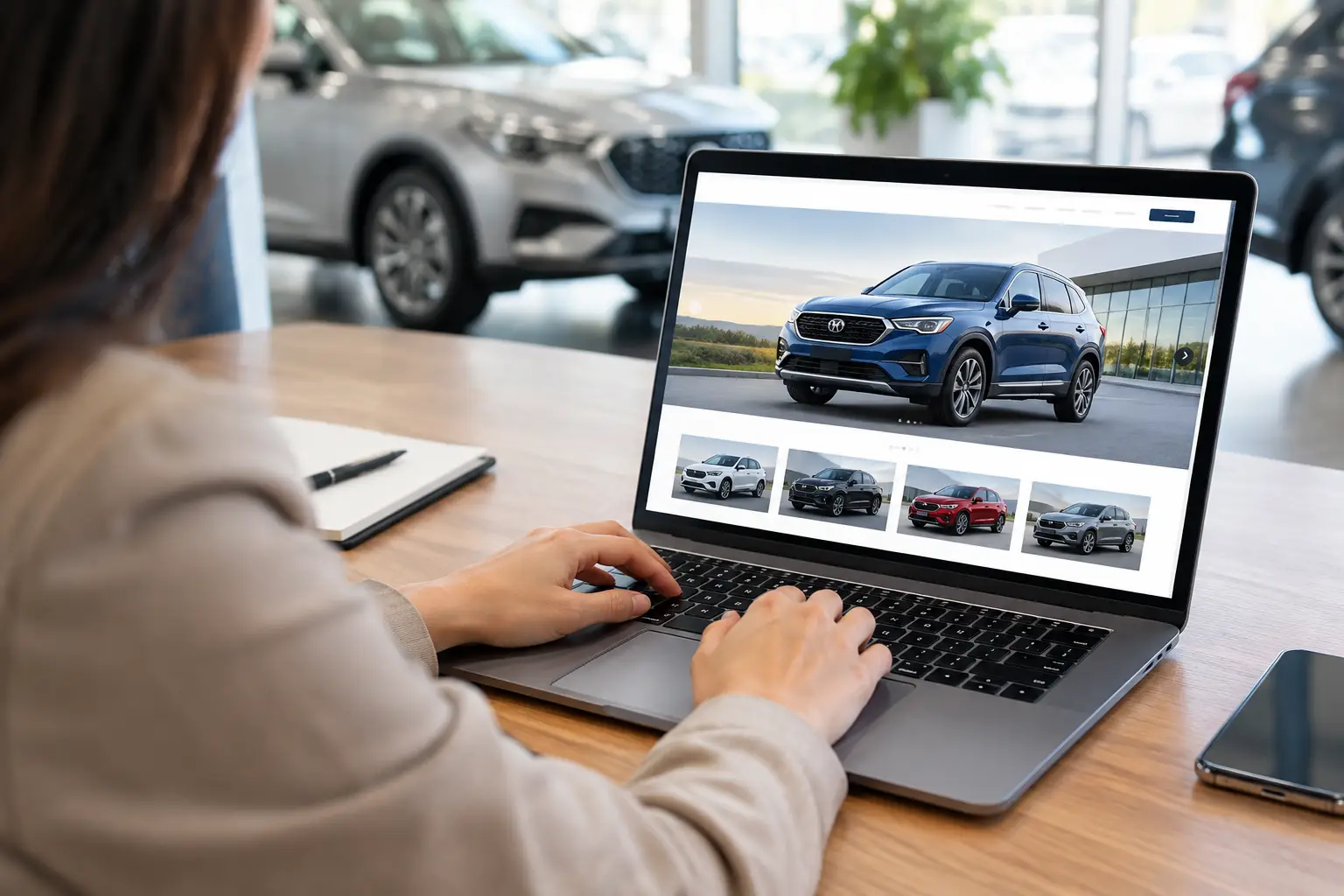
Car Dealer Website Design Starts With the Buyer Journey
Most customers do not begin with a dealership name. They begin with a search for a particular model, body style, fuel type, monthly payment or location. By the time they reach your website, they are often well into their research. Your job is to help them confirm that your business is worth contacting.
That means the route from search results to a vehicle detail page must be straightforward. Stock filters should reflect the terms buyers use, including price, make, model, mileage, fuel type and transmission. Search tools do not need to be complicated, but they do need to return useful results quickly.
A vehicle page then needs to answer practical questions without forcing the buyer to ring up. Is the car available? What is included? What are the key specifications? Can they view finance examples, reserve online, value a part exchange or arrange an appointment? Every unanswered question creates hesitation, particularly outside trading hours when a customer cannot speak to the sales team.
There is a balance to strike. Too little information can make a dealership look vague. Too much poorly organised detail can overwhelm someone trying to compare cars on a small screen. Clear headings, good imagery and well-placed calls to action make the information easier to absorb.
Make Your Stock the Centre of the Experience
Vehicles are the reason most people visit a dealer website, so stock should never feel like it has been added as an afterthought. A polished homepage matters, but it cannot compensate for out-of-date availability, thin descriptions or inconsistent photographs.
Each vehicle should have accurate essentials, high-quality images and a description that gives customers a reason to enquire. Rather than repeating the manufacturer specification alone, explain why a vehicle may suit a buyer. A family SUV might be valued for its boot space and safety features. A used van buyer may care more about payload, service history, racking or whether it is ready for work.
Video can also help a customer assess condition and gain confidence before travelling. It does not need to be a glossy production. A useful walkaround that clearly shows the exterior, interior, controls and any notable features can save time for both buyer and sales team.
The data behind the page matters just as much. When website stock is connected to the dealer management system, a vehicle can be published with consistent pricing, specification and availability. That reduces duplicate entry and the awkward conversation that follows when a customer enquires about a vehicle that has already been sold.
For businesses operating across multiple sites, connected stock management also makes it easier to show the right location, arrange vehicle transfers and give customers an accurate picture of what is available.
Help buyers act when they are ready
A customer who has found a suitable vehicle should not need to hunt for a telephone number. Enquiry options should be visible throughout the page, with clear choices that suit different levels of intent. Some people want a callback. Others want to book a viewing, ask a question, start a finance application or obtain a part-exchange valuation.
Keep forms focused. Asking for the customer’s contact details and a relevant message is usually enough to start a useful conversation. Long forms may give a business more information, but they can also reduce the number of completed enquiries. Information can be gathered progressively once contact has been made.
Speed of response remains crucial. A good website captures the enquiry, but a good process makes sure it reaches the right person and is followed up consistently. This is where a connected platform can make a measurable difference to sales performance.
Build Trust Before the Visit
Buying a vehicle is a significant decision, especially in the used market. Customers are judging more than the car. They are judging whether the dealer is transparent, professional and likely to look after them if something goes wrong.
Your website should make that judgement easier. Clearly display your business details, opening hours, location and contact options. Explain warranties, preparation standards, part-exchange processes and finance choices in plain English. If you offer delivery, click and collect, servicing or aftersales support, make these services easy to find.
Genuine customer reviews and team information can add reassurance, but only when they are current and presented naturally. A page full of generic claims carries less weight than specific evidence of how your business treats customers.
Trust is also influenced by the small details. Broken pages, old promotions, inconsistent prices and unclear consent wording can all undermine confidence. Regular checks are not glamorous, but they protect the reputation you have worked hard to build.
Mobile Performance Is a Sales Issue, Not a Technical Detail
Many vehicle searches begin on a mobile phone, often in the evening or during a break at work. A website that looks good on a desktop but is difficult to use on a handset leaves enquiries on the table.
Mobile-first design means more than shrinking the desktop layout. Buttons need to be easy to tap, key information should appear early, images should load efficiently and finance or part-exchange tools must be comfortable to use on a smaller screen. Telephone numbers should be immediately usable, while forms should avoid unnecessary typing.
Page speed deserves attention too. Large, unoptimised images and excessive third-party tools can make a site sluggish. There is a trade-off: rich media helps sell vehicles, but only if it is delivered efficiently. The aim is not the fewest features. It is a site that feels responsive while still giving buyers the detail they need.
Connect the Website to the Rest of the Dealership
A dealer website is most valuable when it is part of a connected customer journey rather than a separate marketing channel. Enquiries should feed into the systems your team uses each day. Stock updates should happen without repeated manual work. Online actions such as finance applications, reservations, payments and valuations should support a clear internal process.
That connection gives managers better visibility as well. They can see which vehicles attract attention, where enquiries come from, how quickly they are handled and which activity is converting into appointments and sales. It also helps marketing spend become more accountable. There is little value in generating traffic if nobody can tell whether it produces profitable business.
Keep Improving What Customers Actually Use
A dealership website is never simply finished. Stock changes, customer expectations move and your own priorities develop. Reviewing search behaviour, enquiry quality and user journeys helps reveal where small changes can make a worthwhile difference.
Dragon2000 helps automotive businesses bring their website, dealer management, customer engagement and digital processes closer together, with practical technology backed by a UK-based team that understands the motor trade. The purpose is not change for its own sake. It is to reduce administration, improve visibility and help every customer interaction move forward.
If you’re interested in finding out more about Dragon2000 websites and dealer management systems, contact our team on 01327 222 333 or sales@dragon2000.co.uk.